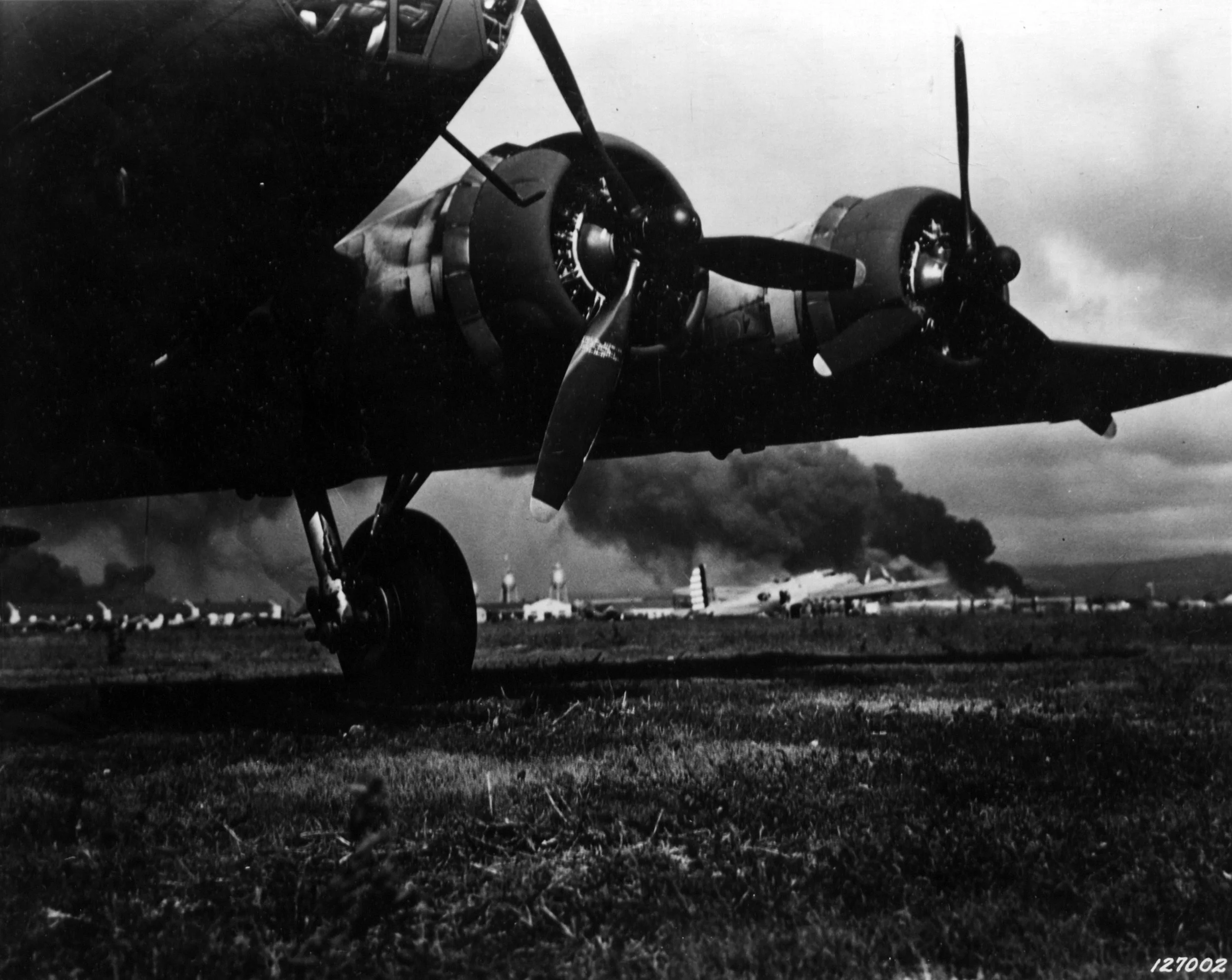
Dec. 7, 1941 and the Chemical Warfare Service
When Japanese planes attacked on December 7th, 1941, one of the units on duty at Hickam Field was the 5th Chemical Service Company (Aviation). They were tasked primarily with providing defense against what might well have been bombs filled with mustard agent, phosgene or any of the other toxins Japan had used against soldiers and civilians in China. Although a service unit not usually engaged in direct combat, soldiers of the 5th CSC helped man anti-aircraft guns and are credited with downing an enemy plane. One 18-year-old soldier in the unit paid a heavy price. Pvt. John Lawrence Harrison, Jr. was seriously injured on December 7th when struck in the head by a Japanese machine gun bullet.

Closing Ondal Advance Chemical Park
Eighty years ago in September 1945, U.S. soldiers still faced real dangers and challenges, and many were called on to display true heroism. At the time, my father, Sgt. Roger Thomas, was newly arrived in India and was serving as a Toxic Gas Handler with the 771st Chemical Depot Company (Aviation) at Ondal Advanced Chemical Park in West Bengal. He was one of many replacements for more experienced soldiers who had been managing the CBI’s central stockpile of toxic chemical bombs. The bombs were filled with the same toxins that had been used during WWI, but had been manufactured and deployed in far greater quantities for possible “retaliation in kind” if Germany or Japan again initiated chemical warfare.

The US Must Accept Responsibility for the Toxic Bombs We Buried in India
Long-secret documents from WWII show that the US Army’s 771st Chemical Depot Company buried thousands of M47A2 mustard-filled bombs at Ondal Airbase in British-ruled India. The 769th Chemical Depot Company helped bury hundreds of similar bombs at nearby Chakulia Airbase. Practically, legally and morally, the US should acknowledge its responsibility to remediate these burial sites.